



If you’re planning to move to Italy, but don’t know which area is best for you, it’ll help to compare some differences in the north and south; like economy, geography, weather, and community. Each area has something unique to offer, and what one person is drawn towards, might not be a priority for the next. So, let’s see if one sounds like a fit for you.
The economy is typically the biggest factor for home buyers. It’s no secret that properties sell for a higher price in the north versus the south – especially because of the cost of living and popularity. The same goes for rent, but it’s less drastic in comparison.
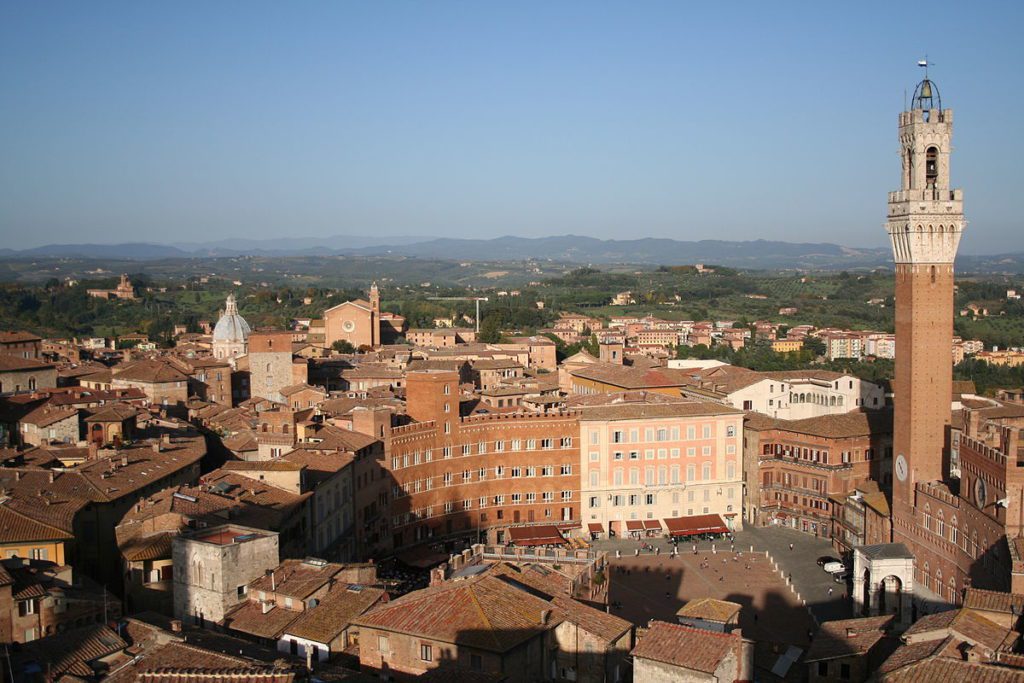
If you’ve already chosen a town, let’s say Siena, you might’ve noticed the younger crowd. This is because cities with larger, international universities attract more students. A common conversation topic in Italy is how young people often emigrate for work and school opportunities.
And, even though the job market is more abundant in the north, if you’re not seeking work or are a digital nomad, this doesn’t have to be a deciding factor. Plus, if you’ve retired, the 7% tax regime is something to look into. It’ll save you money and is offered in the southern regions of Puglia, Abruzzo, Basilicata, Calabria, Campania, Molise, Sicily, and Sardinia.
While Italy is a small country compared to ones like the U.S. and Canada, you’d be surprised how much the landscape and temperature vary. In the north, there are the well-known, snowy Alps, and the lakes like Garda, Como and Maggiore. The lake region is becoming more popular to retire in. Because of elevation and location, it tends to be colder, rainier, and snowier in the north. The south, being warmer and drier, with less to compare when it comes to mountains and lakes, has clear seas and white sand beaches that are famous for their beauty and cleanliness.
As there are far more expats in the north, the welcoming culture of the south makes up for it, and expat groups can be tight-knit when small.
Another factor is lineage. If you’re looking to connect with your Italian roots, or have a friendly face nearby, why not add your family’s hometown to your list of considerations? If you’re still not sure which direction to lean towards, that’s okay! For many people, the decision is based on feeling; visiting the town and seeing if you feel ‘at home’ or could see yourself there when the time is right.
Not to forget, if you go the rental route, you have flexibility to change your location in the future; just make sure you have clear knowledge, and assistance, on updating your whereabouts with your consulate and commune, both old and new.
There really is nothing like experiencing it in person when making the decision, and who wouldn’t want an extra trip to Italy?


https://shorturl.fm/FRNE5